Garner Moving Companies: Expert Advice on Packing, Transportation, and Preparing for Your Next Move
Moving to, from, or within Garner can mean anything from a short trip across town to a longer relocation across North Carolina or beyond. Either way, the work is similar: decide what is coming with you, pack it safely, arrange dependable transportation, and coordinate the many small details that make moving day run well.
Professional Garner moving companies can take on some or all of those tasks. The best choice is not automatically the company with the lowest headline price or the largest truck. It is the mover whose services, schedule, written estimate, and communication fit your household and the realities of your move.
What to Look for in Garner Moving Companies
Before you compare quotes, decide what kind of help you need. A full-service mover may pack, load, transport, and unload. A labor-only crew may load a rental truck or moving container, while a self-service option may handle transportation but leave the packing and loading to you. Make sure you compare like with like.
Check credentials, coverage, and service details
Ask how the company is authorized to perform your type of move, what liability or valuation options are available, and how claims are handled. Requirements can differ for local and interstate moves, so verify the details that apply to your route with the appropriate government regulator. Do not rely on a verbal assurance alone; request the relevant information in writing.
Also confirm whether the company provides the specific services you need: packing, furniture disassembly, appliance handling, storage, specialty-item transport, or delivery to multiple locations. Ask whether the crew is employed by the mover or arranged through another provider, and who your point of contact will be.
Compare written estimates carefully
Give each company the same accurate description of your home, inventory, access conditions, and destination. Stairs, long carries, elevators, narrow entrances, parking limits, and bulky items can affect the work. If possible, arrange an in-home or video survey and point out anything that may require extra time or equipment.
- Ask what the price includes: labor, travel time, packing materials, fuel, stairs, and any minimum-hour charge.
- Clarify how the estimate is calculated: hourly, weight-based, or another method, and what could change the final amount.
- Review timing: arrival window, pickup and delivery dates, and how delays are communicated.
- Get the cancellation and payment terms: including deposit rules and accepted payment methods.
- Keep the paperwork: estimate, inventory, service order, and any written change to the plan.
Be cautious if a quote is dramatically lower than others without a clear explanation, the company will not document terms, or you are pressured to pay a large amount before the scope is established. A careful comparison is about transparency and fit, not just a single number.
Build a Packing Plan Before You Buy Boxes
Packing is easier when you treat it as a sequence rather than one enormous weekend task. Begin with rooms and belongings you use least, then work toward everyday essentials. Set aside items you will transport yourself, items to donate or sell, and anything that should not go on the moving truck.
Sort first, then pack by room
Moving fewer belongings can reduce packing time and simplify loading. Review closets, storage areas, kitchen cupboards, and garages. Donate usable items, recycle what you can, and dispose of unwanted materials responsibly. Check with your mover about items it cannot or will not transport; policies may cover hazardous materials, perishables, plants, or unusually valuable possessions.
Pack one room at a time and label each box with its destination room and a short contents description. Mark fragile boxes clearly, but do not rely on the label alone: use suitable cushioning and make sure the contents cannot shift. If you want a box unloaded first, mark it “open first” and keep that category small and deliberate.
Use the right materials and methods
- Choose sturdy boxes: Use smaller boxes for heavy items such as books and larger boxes for light, bulky items like linens.
- Protect breakables: Cushion the bottom and sides, wrap individual pieces, and fill empty spaces so objects do not move.
- Keep boxes manageable: Avoid overfilling; a box should be safe to lift and should close securely.
- Bundle small parts: Place furniture hardware in a labeled bag and attach it to the related item when practical.
- Photograph electronics: Take a quick picture of cable connections before unplugging complex setups.
- Protect surfaces: Use appropriate covers for mattresses, upholstered furniture, and other items vulnerable to dirt or scuffs.
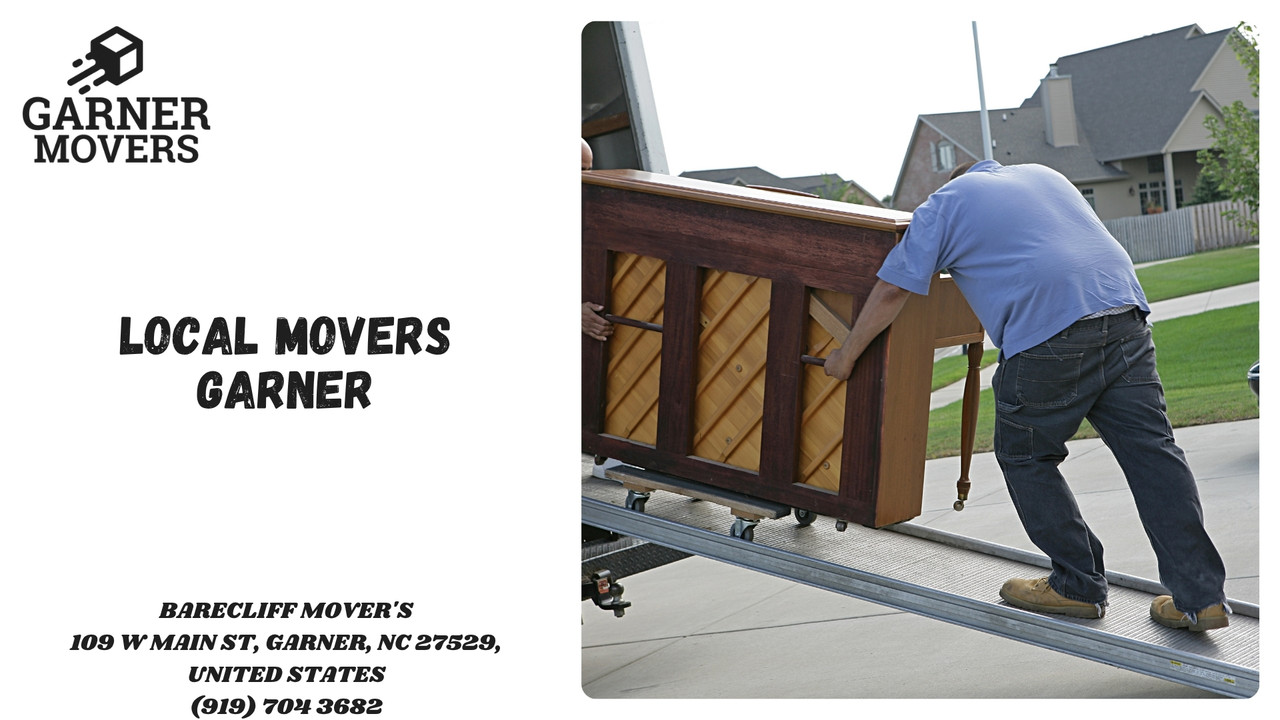
For antiques, artwork, musical instruments, large mirrors, and other delicate or high-value belongings, ask the moving company how it recommends packing and transporting them. If an item needs custom crating or special handling, get the arrangement and any extra cost in writing before moving day.
Plan Transportation and Moving-Day Access
Transportation involves more than getting a truck from one address to another. The mover needs a workable path to the home, a place to park or stage equipment, and clear information about both pickup and delivery locations. A little coordination can prevent delays and reduce the risk of damage.
Share access information early
Tell the company about narrow driveways, steep or uneven paths, gates, low branches, parking restrictions, loading docks, elevators, and building rules. If either address is in a community with a homeowners’ association or managed building, check whether a reservation, certificate of insurance, loading-area booking, or move-in window is required. Confirm local parking rules rather than assuming a large vehicle can stop wherever it is convenient.
For apartment or condominium moves, reserve elevators and loading areas as soon as dates are known. For a house, clear walkways and identify any areas where the crew should take extra care. If access is uncertain, send the mover photos or arrange a site check.
Confirm the route, dates, and delivery expectations
Ask whether your belongings will travel directly to the destination or may be transferred or combined with another shipment. For long-distance moves, confirm the pickup and delivery windows, who will provide updates, and how the company handles a change in schedule. If you need storage between homes, establish where the items will be stored, for how long, and how charges are calculated.
Keep essential documents, medications, keys, chargers, valuables, and a few days of clothing with you rather than placing them in the truck. If you are driving separately, plan your own route and arrival independently; do not assume that the moving truck and household will reach the destination at the same time.
A Practical Timeline for a Less Stressful Move
- Several weeks ahead: Set a target date, create a household inventory, request and compare written estimates, and decide what to keep, donate, sell, or discard.
- As soon as dates are firm: Reserve your mover, confirm building or community requirements, arrange any needed storage, and begin packing seldom-used items.
- In the final two weeks: Update your address with relevant organizations, confirm utility start and stop dates, use up or safely dispose of perishables, and pack most nonessential belongings.
- A few days before: Reconfirm arrival details and contact numbers, prepare an essentials bag, finish labeling, and keep pathways clear.
- On moving day: Walk the crew through the home, identify fragile or special-care items, keep children and pets safely out of work areas, and check rooms and storage spaces before leaving.
- At delivery: Direct boxes to the correct rooms, check items against the inventory or paperwork, and note visible damage or missing items promptly using the mover’s stated process.
Preparing Your Household for the Transition
A move affects more than belongings. Make a simple list of the administrative tasks that apply to your situation: mail forwarding, address changes, school or childcare arrangements, medical records, internet service, and utility accounts. Schedule service changes so you are not left without essential power, water, or connectivity longer than necessary.
If you have children, involve them in age-appropriate ways: let them pack a few personal items, explain what moving day will look like, and keep familiar routines where possible. For pets, plan a quiet, secure space away from the movers or arrange care elsewhere. Keep collars, carriers, food, medication, and records accessible rather than packed away.
At the new home, decide where large furniture should go before the truck is unloaded. A basic room plan can save time and reduce repeated lifting. If possible, make sure the home is clean and ready for delivery, and check that the route from the entrance to each room is free of obstacles.
Moving-Day Essentials Checklist
- Written estimate, service documents, inventory, and mover contact details
- Phone, charger, keys, wallet, identification, and important paperwork
- Medications, first-aid basics, toiletries, and a change of clothes
- Water and simple snacks for the household and moving crew, as appropriate
- Cleaning supplies and a small toolkit kept separate from the shipment
- Pet supplies and children’s comfort items, if applicable
- Photos or notes documenting the condition of valuable or fragile items
- A final walkthrough of closets, cabinets, garage, attic, and outdoor storage
Common Moving Mistakes—and How to Avoid Them
Waiting too long to book
Popular dates can fill up, especially around weekends and seasonal peaks. Contact movers early once your timing is reasonably clear, and ask about flexibility if your date is not fixed.
Underestimating the inventory
A quote based on an incomplete list can lead to a changed price, a larger workload, or a truck that is not suitable. Include storage areas, outdoor items, and anything unusually large or heavy. Update the company if your plans change.
Mixing essentials into the shipment
When daily necessities are packed in unmarked boxes, the first night can become a search. Keep a clearly identified essentials bag with you and pack a small “first evening” box with basic kitchen, bathroom, bedding, and cleaning items.
Assuming verbal details are enough
Confirm important agreements—services, dates, fees, special handling, and delivery expectations—in writing. Written terms make it easier for everyone to understand what was agreed and what still needs attention.
Questions to Ask Before You Hire
- What exactly is included in this estimate, and what circumstances could change it?
- How will the crew protect floors, doorways, furniture, and fragile items?
- What is the process for documenting damage or reporting a missing item?
- Who should I contact on moving day, and how will schedule updates be shared?
- Are packing materials, disassembly, storage, or shuttle service included or optional?
- What items are excluded from transport, and what should I move myself?
- For an interstate move, what documents and delivery commitments apply to my shipment?
Make Your Next Move a More Manageable One
The most reliable way to reduce moving stress is to make decisions early and communicate clearly. Choose a mover based on a transparent scope and written terms, not just a quick Garner moving companies Barecliff Mover's quote. Pack systematically, share access details, protect the items that matter most, and keep essential belongings with you.
With a thoughtful plan and the right level of professional help, moving in or out of Garner can feel less like a scramble and more like a well-coordinated transition. Start with an inventory, compare qualified companies, and give yourself enough time to prepare for the home and routines waiting at the other end.
Note: This article is general planning information, not a recommendation of a particular company. Verify current credentials, service terms, applicable regulations, and local requirements directly before booking.
Contact Us:
Barecliff Mover's
109 W Main St, Garner, NC 27529, United States
(919) 704-3682